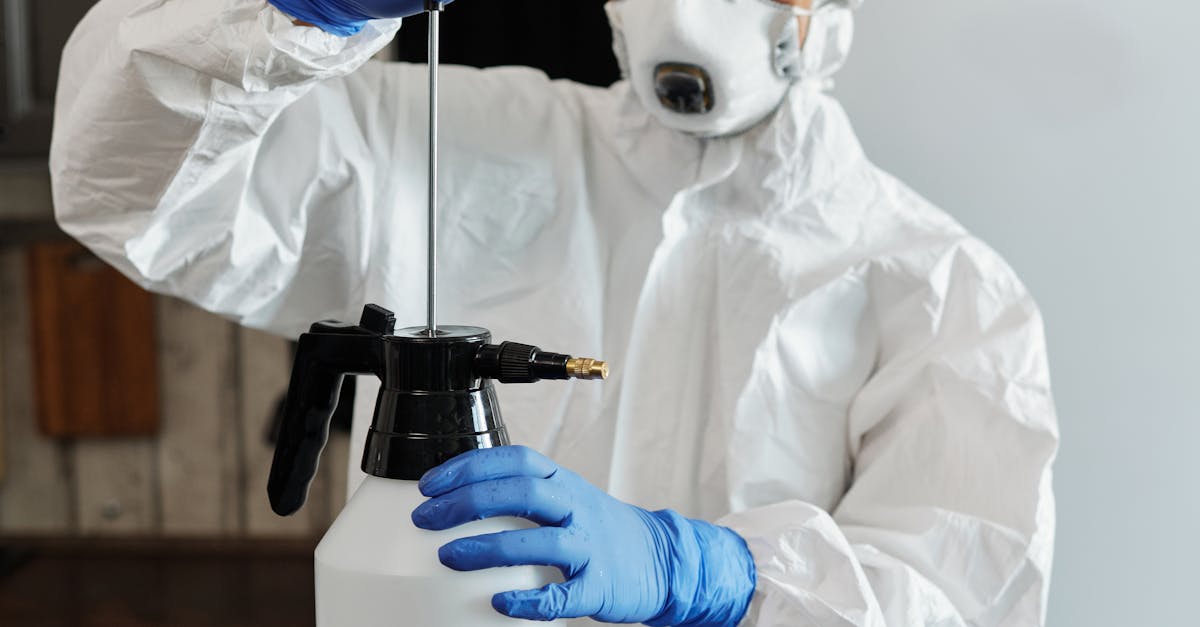
Step-by-Step Guide to Biocide Application in Homes
Table Of Contents
Calculating the Right Amount
Determining the correct amount of biocide for application is crucial for both effectiveness and safety. First, assess the area requiring treatment by measuring its dimensions. Use these figures to calculate the total square metre coverage. Different biocides have specific application rates, often specified on the product label. Refer to these guidelines to understand how many litres or grams are needed per square metre.
Consider the surface type when making calculations. Porous surfaces generally absorb more biocide, requiring larger quantities for optimal effectiveness. Non-porous materials may need less, but may require repeated applications for the best results. Always factor in the product’s reapplication frequency, as some biocides lose potency over time. This ensures an adequate amount is used to achieve lasting protection against unwanted organisms.
When applying biocides, it is crucial to accurately assess the area that requires treatment. This calculation relies on measuring the surface area that will be covered, including floors, walls, and any other surfaces needing attention. It's important to check the manufacturer's guidelines, as they often specify the recommended coverage per litre. Being precise in these measurements helps avoid under-application or over-application of the product, which can affect efficacy and safety.
Post-application care involves monitoring the treated area to ensure safe conditions have been established. It's advisable to keep spaces free from foot traffic until the biocide has had sufficient time to dry and take effect. During this period, avoiding interaction with treated surfaces is essential. If there are pets or children in the home, extra caution should be exercised until it is deemed safe to return to the area. Regular checks on the treated zones for any signs of lingering odours or adverse reactions add an extra layer of security to the process and help in gauging the situation effectively.
Post-Application Care
After applying biocide, it is crucial to maintain a clean environment to maximise the effectiveness of the treatment. Avoid heavy cleaning or mopping for at least a few days post-application. This allows the biocide to settle and interact with the targeted surfaces effectively, reducing the risk of reinfestation or contamination. Ensure that any areas that were treated remain undisturbed and avoid introducing moisture where possible, as this can diminish the chemical’s efficacy.
Monitoring the area following treatment can help assess the biocide's effectiveness. Regular checks will determine whether additional applications are necessary. Look for signs of pest return or dampness, which might indicate that further action is needed. Keeping a detailed record of observations will aid in making informed decisions about future treatments and maintenance strategies.
Ensuring Safety After Treatment
After biocide application, avoiding contact with treated surfaces for a designated period is crucial. This is essential for allowing the biocide to work effectively while minimising any health risks. Homeowners should follow the manufacturer’s guidelines regarding re-entry times to ensure safety. Proper ventilation should be maintained in the area during this period to facilitate the dissipation of fumes.
Additionally, personal protective equipment should be worn during the re-entry phase. Gloves and masks can help prevent skin irritation or inhalation of any residual chemicals. Observing any warning signs in the environment is important, such as unusual odours or visual changes in the treated area. Properly ensuring safety measures will promote a healthy living space in the aftermath of treatment.
Monitoring Results
Once biocide has been applied, it is crucial to monitor the treated areas regularly. Observations should focus on visible changes such as any signs of resurgence in pests or mould. Create a schedule for inspections, ensuring they occur at intervals appropriate to the type of treatment used and the specific environment. This proactive approach allows for early detection of any potential issues, making it easier to address them before they escalate.
Documentation plays a key role in tracking the effectiveness of the biocide. Keeping detailed records of the inspection dates, conditions observed, and any actions taken will help assess the overall outcome of the treatment. Over time, this information can provide valuable insights into patterns and trends, allowing homeowners to make informed decisions on future pest control and maintenance strategies.
Tracking Efficacy Over Time
Regular monitoring is essential to determine how effectively a biocide has performed in your home. Ideally, inspections should be conducted at intervals outlined in the manufacturer's guidelines, typically ranging from a few days to several weeks post-application. During these checks, look for signs of pest resurgence or any unusual growth. Documenting these observations can provide a clearer picture of the biocide's impact and help in making informed decisions for future treatments.
In addition to physical inspections, consider utilising monitoring tools such as traps or residue samplers. These instruments can provide quantifiable data on pest activity and biocide effectiveness over time. Comparing results from these tools against initial benchmarks helps identify trends and effectiveness. Such proactive measures can optimise pest management strategies and ensure a pest-free environment, enhancing the overall health and safety of your living space.
FAQS
What is a biocide and why is it used in homes?
A biocide is a chemical substance that can kill or control harmful organisms such as bacteria, fungi, and pests. It's used in homes to protect against infestations and maintain a safe environment.
How do I calculate the right amount of biocide for my application?
To calculate the right amount of biocide, you need to consider the size of the area being treated, the concentration of the biocide, and the manufacturer's guidelines. Always follow the recommended dosage to ensure effectiveness and safety.
What should I do after applying biocide in my home?
After applying biocide, it’s important to ventilate the area, avoid contact with treated surfaces for a specified period, and follow any specific post-application care instructions provided by the manufacturer.
How can I ensure safety after biocide treatment?
To ensure safety after treatment, keep pets and children away from the treated area, wear protective clothing if necessary, and follow the re-entry guidelines provided by the product label.
How can I monitor the results of biocide application?
You can monitor the results by regularly checking the treated area for signs of pests or mould, documenting any changes, and conducting follow-up inspections to ensure the biocide is effective over time.
Related Links
Comparing Biocide Types for Mould Remediation EfficacySelection Criteria for Effective Biocides in Mould Control
Biocide Application Techniques for Different Surface Types
Common Mistakes in Biocide Application for Mould
The Role of Biocides in Preventing Mould Recurrence
Safety Protocols During Biocide Application for Mould Removal
Environmental Considerations When Using Biocides for Mould
Evaluating the Effectiveness of Biocides in Indoor Environments