Safety Protocols During Biocide Application for Mould Removal
Table Of Contents
Handling Biocides Safely
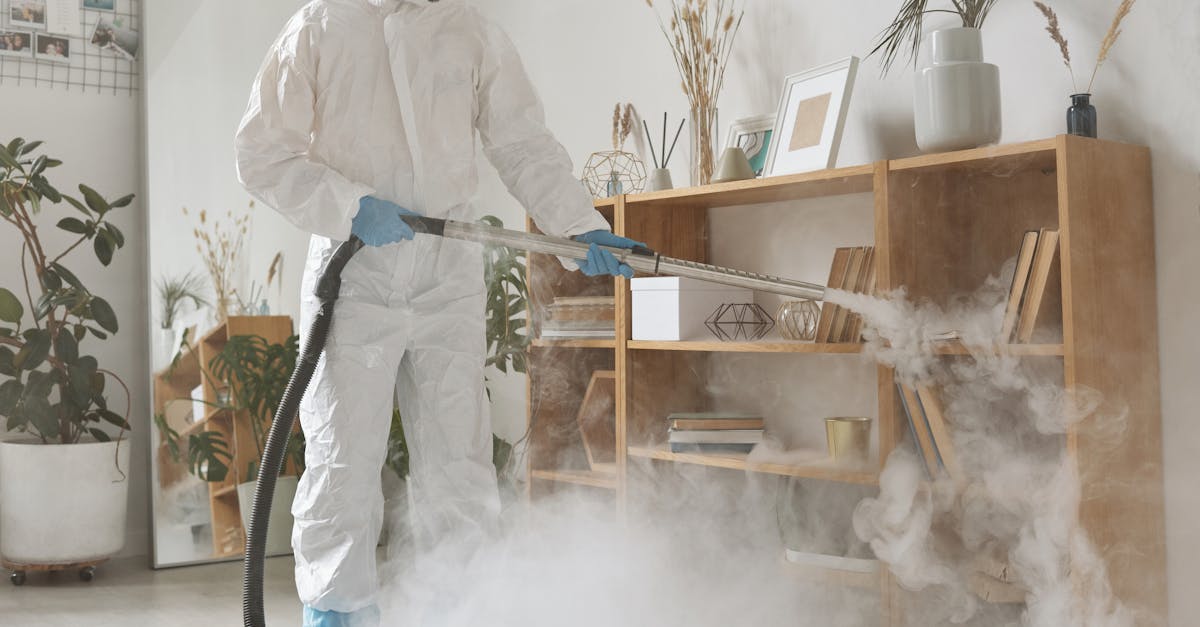
Understanding the importance of utilising personal protective equipment (PPE) is crucial for anyone handling biocides. Appropriate gear includes gloves, goggles, and respirators, offering essential protection against chemical exposure. Ensuring all equipment is in good condition is vital for maximum safety. Additionally, training personnel on the proper use of biocides promotes a culture of safety in the workplace.
Clear labelling of biocide containers further enhances safety. All products should prominently display safety data sheets (SDS) which provide critical information on hazards, handling, and first aid measures. Regularly reviewing these documents ensures that everyone involved in the process is aware of potential risks and safe handling practices. Keeping an emergency kit nearby, stocked with necessary supplies, strengthens safety preparedness for unforeseen incidents.
Best Practices for Storage and Transportation
Storing biocides requires adherence to strict guidelines to ensure safety and efficacy. It is essential to keep these substances in their original containers, labelled clearly with hazard information and usage instructions. The storage area must be cool, dry, and well-ventilated, away from direct sunlight and sources of heat. Regular inspections of the storage space are necessary to detect leaks or damage, as well as to ensure that the containers remain securely sealed. Using secondary containment measures, such as trays or bins, can help contain any accidental spills or leaks.
Transportation of biocides should also be approached with caution to prevent accidents. When moving these substances, use suitable containers designed for hazardous materials, ensuring they are securely closed during transit. It is advisable to transport biocides in separate compartments away from food items and incompatible substances. Adequate labelling must be maintained during transportation, including emergency contact information. Drivers should be trained in handling and responding to any incidents that may arise during transit, enhancing overall safety protocols.
Emergency Procedures and First Aid
Accidental exposure to biocides during mould removal may lead to various health risks. It is crucial to recognise the symptoms of exposure, which can include skin irritation, respiratory issues, or digestive discomfort. Should an individual come into contact with a biocide, immediate action should be taken. Remove contaminated clothing and rinse the affected area thoroughly with water for at least 15 minutes. If symptoms persist or worsen, seek medical assistance right away.
In the event of ingestion, do not induce vomiting unless advised by a medical professional. Rinse the mouth and give water to the affected person to dilute the substance. For inhalation incidents, move the person to fresh air immediately. Monitoring the individual for any signs of distress while waiting for medical help is essential. Keep the biocide container or safety data sheet on hand for reference, as this information can assist healthcare providers in delivering appropriate care.
Responding to Accidental Exposure
Immediate action is crucial when accidental exposure to biocides occurs. If someone has inhaled fumes, they should be moved to fresh air without delay. In cases of skin contact, contaminated clothing should be removed promptly, and the affected area must be washed thoroughly with soap and water. Eyes should be flushed with clean water for at least 15 minutes if any chemical substance has come into contact with them. It's essential to seek medical assistance if symptoms persist or worsen.
It's important to document the type and amount of biocide involved in the exposure. Reporting the incident to supervisors is a vital step in ensuring proper follow-up and preventative measures. Keeping emergency numbers readily available can facilitate swift communication with medical services if required. Regular training on procedures for responding to accidents enhances preparedness and helps mitigate risks associated with biocide exposure.
Environmental Considerations
Proper planning ensures that biocide application does not negatively impact surrounding environments. Identifying sensitive areas, such as gardens or water bodies, should be a priority. Protective barriers can prevent drift and runoff during application. Additionally, using targeted application methods reduces the risk of contamination.
Monitoring local wildlife and vegetation in the area is essential after biocide use. An assessment of potential effects on non-target species can provide insight into the broader ecological impact. Documentation of biocide use and its outcomes can inform future practices and foster a culture of environmental responsibility in mould removal efforts.
Protecting Surrounding Areas from Contamination
When applying biocides for mould removal, precautions must be taken to minimise the risk of contamination to surrounding areas. Covering floors and furniture with plastic sheets or drop cloths serves as an effective barrier. Any items that cannot be easily covered should be removed from the area prior to treatment. This practice helps contain the biocide’s effects to the intended surfaces, reducing potential harm to other items and spaces.
Efforts should also focus on preventing overspray during the application process. Using nozzle attachments or spray techniques that limit the spread of the product can significantly reduce unintended exposure. Routine checks for any signs of drift during the application ensure prompt corrective action can be taken. After the application, ensure proper ventilation to disperse any residual chemicals, further safeguarding the surrounding environment.
FAQS
What are biocides and why are they used for mould removal?
Biocides are chemical substances that can control harmful organisms, including mould. They are used for mould removal to effectively eliminate spores and prevent recurrence, ensuring a safe and healthy environment.
What are the best practices for storing biocides safely?
Biocides should be stored in a cool, dry place, away from direct sunlight and out of reach of children and pets. Ensure containers are tightly sealed and clearly labelled to prevent accidental misuse.
What should I do if I accidentally expose myself to a biocide?
If you have accidental exposure, immediately rinse the affected area with plenty of water for at least 15 minutes. If irritation persists or you experience severe symptoms, seek medical attention promptly.
How can I protect surrounding areas from contamination during mould removal?
To protect surrounding areas, cover floors and furniture with plastic sheeting, use barriers to limit access, and ensure proper ventilation. Always follow manufacturer instructions for application to minimise overspray or drift.
Are there environmental considerations to be aware of when using biocides?
Yes, it’s important to consider the potential impact on local wildlife and ecosystems. Always follow guidelines for safe application and disposal, and opt for biocides that are environmentally friendly when possible.
Related Links
The Role of Biocides in Preventing Mould RecurrenceEnvironmental Considerations When Using Biocides for Mould
Biocide Application Techniques for Different Surface Types
Common Mistakes in Biocide Application for Mould
Evaluating the Effectiveness of Biocides in Indoor Environments
Comparing Biocide Types for Mould Remediation Efficacy
Step-by-Step Guide to Biocide Application in Homes