Evaluating the Effectiveness of Biocides in Indoor Environments
Table Of Contents
Factors Influencing Biocide Performance
The effectiveness of biocides in indoor environments is determined by various factors. Temperature plays a significant role; higher temperatures can enhance the efficacy of many biocidal agents by increasing their activity levels. Additionally, humidity is crucial as it affects the surface tension of liquids, which in turn influences the wetting ability of the biocide. Surfaces also impact performance, as porous materials may absorb biocides, reducing their effectiveness, while non-porous surfaces tend to allow for better contact and retention.
Understanding these variables is essential for optimising biocide application. The interaction between the biocide and the surface type can dictate how well it penetrates and acts against targeted microbes. Surface preparation, such as cleaning and degreasing, can also significantly influence the performance of biocides. By addressing these factors, one can better ensure that biocides achieve the desired level of microbial control in indoor settings.
Temperature, Humidity, and Surface Types
The effectiveness of biocides is significantly influenced by temperature and humidity levels in indoor environments. Higher temperatures may enhance the activity of certain biocides, promoting faster microbial kill rates. In contrast, excessive humidity can hinder their efficacy, as moisture may provide an environment conducive to microbial growth. The interaction between these two factors creates a delicate balance that can determine the success of biocide application.
Surface type also plays a crucial role in biocide effectiveness. Porous surfaces, such as wood and textiles, can absorb biocides, reducing their availability to combat pathogens. Non-porous surfaces, like metal and plastic, tend to retain biocides more effectively, allowing for a higher concentration at the target site. Understanding the dynamics between temperature, humidity, and various surface materials is essential for optimal biocide performance in protecting indoor environments from microbial threats.
The Impact of Biocides on Indoor Air Quality
The application of biocides in indoor settings can lead to significant changes in indoor air quality, often as a result of volatile organic compounds (VOCs) released during and after their use. These compounds can contribute to a range of health issues, including respiratory problems and allergic reactions among occupants. The accumulation of biocides in confined spaces may not only affect comfort levels but also pose longer-term health risks, particularly in environments such as homes and workplaces where people spend substantial amounts of time.
Monitoring and managing indoor air quality becomes crucial following biocide application. Ensuring adequate ventilation can help mitigate the potential negative effects of these compounds, allowing harmful particles to dissipate more effectively. Alongside ventilation, employing air purification systems can further enhance air quality by filtering out residual contaminants, ensuring a safer and healthier indoor environment.
Potential Risks and Mitigation Strategies
The use of biocides in indoor environments can pose various risks, particularly to human health and the environment. Exposure to certain biocidal agents may result in respiratory issues, skin irritation, or allergic reactions. Additionally, improper application can lead to the accumulation of harmful residues on surfaces, which may be transferred to food or other items. It is essential to understand these potential hazards to minimise negative impacts, particularly for sensitive populations such as children or those with pre-existing health conditions.
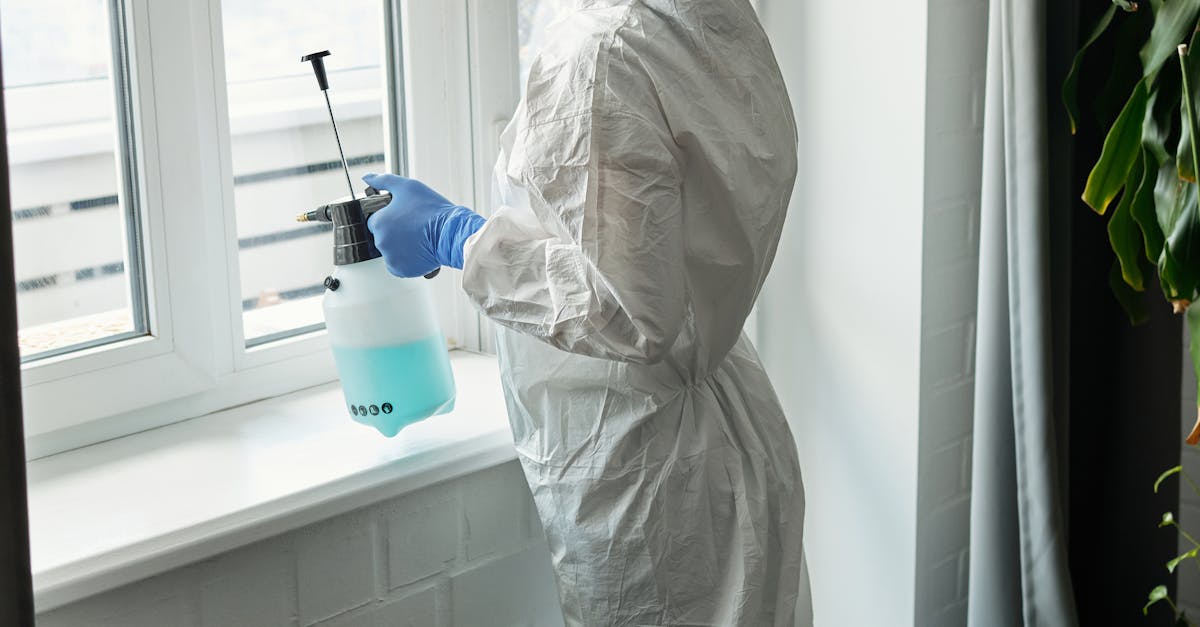
Mitigation strategies play a significant role in ensuring safety during biocide use. Implementing strict adherence to manufacturer guidelines is crucial for effective and safe application. Personal protective equipment, such as gloves and masks, can provide additional safety for individuals applying these agents. Good ventilation during and after treatment significantly reduces harmful inhalation risks. Regular monitoring of indoor air quality can help assess the safety of the environment post-application, allowing for a more informed approach to biocide usage.
Best Practices for Biocide Application
Effective application of biocides requires thorough planning and preparation. Cleaning surfaces before application is critical as it removes dirt and organic matter that can interfere with the biocide's effectiveness. Selection of the appropriate biocide based on target organisms is essential. Using a product that is specifically formulated for the intended use can significantly improve results. It is also vital to follow the manufacturer's instructions regarding dilution, contact time, and method of application.
Safety is a paramount consideration when handling biocides. Wearing appropriate personal protective equipment, such as gloves, masks, and goggles, can help minimise exposure risks. Ensuring adequate ventilation in the area during and after application contributes to reducing inhalation risks. Additionally, keeping children and pets away from treated areas until they are safe for re-entry is crucial. Implementing these practices not only enhances biocide performance but also contributes to a safer indoor environment.
Safety Precautions and Proper Usage
Ensuring safety during the application of biocides is crucial to protect both users and occupants of indoor spaces. Before starting, it is essential to read product labels carefully and follow the manufacturer’s instructions. This includes wearing appropriate personal protective equipment (PPE), such as gloves, masks, and goggles. Adequate ventilation in the area where biocides are used helps minimise inhalation of fumes and reduces potential exposure to harmful chemicals.
Proper usage also involves applying the biocide correctly to achieve the desired efficacy while minimising risks. Surface preparation is key; it ensures that the biocide can effectively adhere and act on the intended surfaces. Users should avoid mixing different biocides, as this can lead to unpredictable reactions and decreased effectiveness. After application, keeping the treated areas free from foot traffic for a specified time allows the biocide to work properly, ensuring both safety and effectiveness.
FAQS
What factors influence the performance of biocides in indoor environments?
Factors such as temperature, humidity, and surface types significantly influence the effectiveness of biocides. These elements can affect the biocide's stability, efficacy, and overall performance.
How do biocides impact indoor air quality?
The application of biocides can affect indoor air quality by releasing volatile organic compounds (VOCs) and other chemicals into the air, which may pose health risks. It's essential to evaluate the potential impacts and implement mitigation strategies.
What are the potential risks associated with biocide use in indoor spaces?
Potential risks include respiratory issues, skin irritation, and allergic reactions, particularly for sensitive individuals. It's crucial to understand these risks and take appropriate safety measures during application.
What best practices should be followed when applying biocides indoors?
Best practices include reading and following the manufacturer’s instructions, using protective gear, ensuring proper ventilation, and applying biocides only on suitable surfaces to maximise efficacy while minimising risks.
What safety precautions should be taken when using biocides?
Safety precautions include using personal protective equipment (PPE) such as gloves and masks, ensuring good ventilation in the application area, and keeping children and pets away from treated surfaces until dry or as recommended.
Related Links
Environmental Considerations When Using Biocides for MouldComparing Biocide Types for Mould Remediation Efficacy
Biocide Application Techniques for Different Surface Types
Common Mistakes in Biocide Application for Mould
The Role of Biocides in Preventing Mould Recurrence
Safety Protocols During Biocide Application for Mould Removal
Step-by-Step Guide to Biocide Application in Homes
Selection Criteria for Effective Biocides in Mould Control