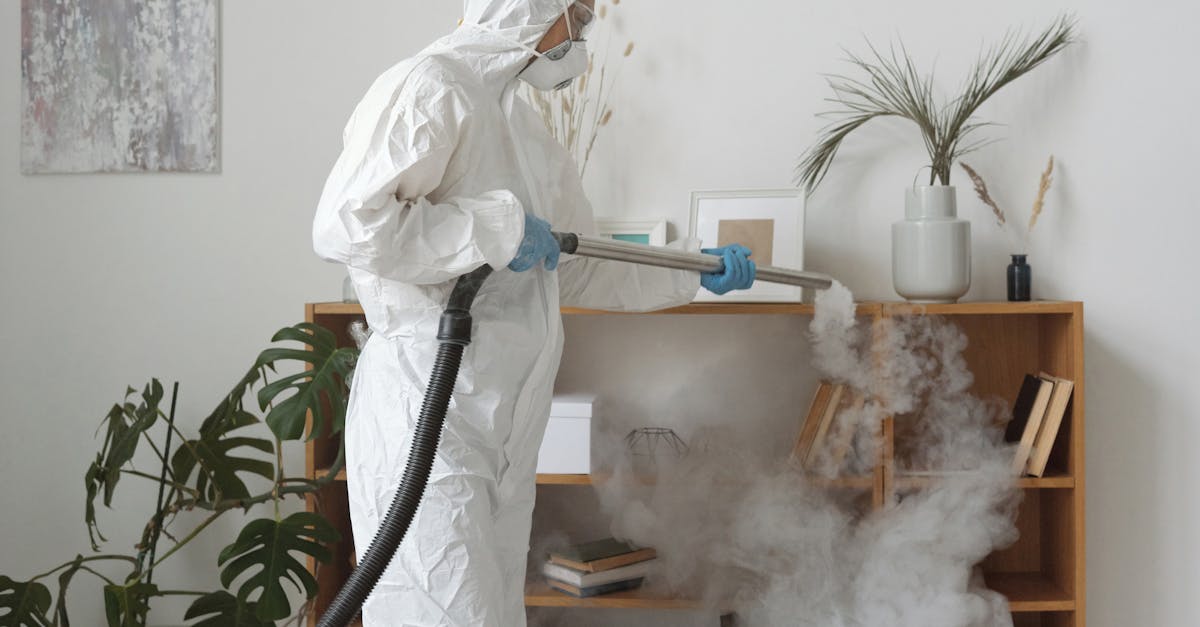
Best Practices for Biocide Application in Mould Remediation
Table Of Contents
Timing and Conditions for Biocide Use
The effectiveness of biocide application hinges significantly on timing and environmental conditions. Applying biocides during periods of high humidity may diminish their efficacy. It is vital to ensure that the affected area is free from excessive moisture prior to treatment. Monitoring humidity levels can provide guidance on when conditions are optimal for application. Additionally, temperature plays a crucial role. Ideally, biocides should be applied when temperatures are stable and within specified ranges to promote optimal adhesion and penetration.
Good ventilation is critical when using biocides. Sufficient airflow helps to disperse fumes and reduces the risks associated with inhalation. This can be achieved by opening windows and using fans to facilitate air circulation. Ensuring that the area is isolated from non-target zones protects surface areas and occupants from unintended exposure. Careful planning of the application process can significantly enhance both the immediate and long-term effectiveness of mould remediation strategies.
Optimal Environmental Factors for Effectiveness
Temperature and humidity play crucial roles in the effectiveness of biocide application during mould remediation. Most biocides function best when applied in controlled environments where temperatures range from 10 to 30 degrees Celsius. Higher temperatures can enhance evaporation rates, potentially reducing the product's efficacy. Conversely, if the surrounding conditions are too cold, the biocide may not penetrate effectively into the mould colonies. Additionally, humidity levels should ideally be between 40% and 60%. Excess moisture can lead to rapid degradation of some biocides, while overly dry conditions might hinder their spread.
Proper ventilation is essential to maximise the impact of biocide treatments. Poor air circulation can trap vapours and undermine the distribution of active ingredients, which diminishes the overall effectiveness. Ensuring that the application area is well-aerated not only aids in the dispersion of the biotic agent but also helps facilitate the drying process post-application. Frequently monitoring environmental conditions during and after treatment ensures that ideal circumstances remain consistent, thus promoting optimum results in mould remediation efforts.
Post-Application Procedures
After biocide application, observing proper post-application procedures is crucial for achieving optimal results. Ensure adequate ventilation in the treated area to facilitate the dissipation of airborne residues. This includes opening windows, using fans, and allowing fresh air to circulate. Regularly monitor the environment for any lingering odours, as these may indicate excess biocide presence. It is advisable to wait at least 24 hours before re-entering the space to ensure safety and confirm that the biocide has had sufficient time to perform its function.
Once re-entry is safe, inspect the treated surfaces for any signs of mould regrowth. Maintaining a clean environment can assist in preventing the resurgence of mould. Employing regular cleaning practices, combined with humidity control measures, will further help in safeguarding indoor spaces. Using dehumidifiers in high-humidity areas is an effective strategy. In case mould appears again, consider reassessing the biocide application technique to enhance long-term efficacy.
Ensuring Residual Safety and Efficacy
After biocide application, it is essential to evaluate the treated surfaces for any residual chemical presence. This involves conducting thorough inspections in order to confirm that all affected areas have been properly addressed. Testing methods may include surface wipes or using swabs to sample and check for the remnants of biocides. Proper documentation of these assessments will not only ensure compliance with safety standards but also help in maintaining a record for future reference.
Maintaining efficacy without compromising safety demands a careful balance. It is advisable to implement a routine monitoring schedule to assess the long-term effects of the biocide. This can include visual inspections, air quality assessments, and moisture level monitoring. Such practices assure that the environment remains free from mould resurgence while protecting the health and safety of occupants. Ensuring that biocide application aligns with relevant regulations can further mitigate risks associated with chemical exposure.
Long-Term Mould Prevention Strategies
Preventive measures play a crucial role in sustaining a mould-free environment. Strategies should focus on controlling moisture levels within indoor spaces. Regular inspections of plumbing for leaks and ensuring proper ventilation in areas prone to humidity can significantly reduce the likelihood of mould growth. Installing dehumidifiers in damp areas, such as basements or bathrooms, helps maintain optimal humidity levels, ideally below 60%. This proactive approach addresses one of the primary conditions that encourage mould proliferation.
Additionally, maintaining cleanliness in living spaces contributes to mould prevention. Routine cleaning schedules should include thorough dusting and vacuuming to remove potential mould spores. Fabrics, upholstery, and carpets require special attention, as these materials can retain moisture and provide a breeding ground for mould. Implementing a policy of regular inspections and upkeep ensures that any signs of mould or moisture are addressed promptly, preventing any potential health risks associated with mould exposure in the long run.
Maintaining Indoor Air Quality
Effective mould remediation goes hand in hand with maintaining good indoor air quality. After applying biocides, it is vital to ensure that ventilation systems are functioning properly. opening windows and doors can help to circulate fresh air and reduce chemical concentrations in the indoor environment. Regular filter changes in HVAC systems also contribute to cleaner air, trapping dust and spores that may be present. Activities like regular dusting and vacuuming further minimise airborne particles that could threaten respiratory health.
Post-remediation, continuous monitoring of humidity levels is essential. Keeping indoor humidity between 30% and 50% discourages mould growth while promoting a comfortable environment. Consider using dehumidifiers in damp areas such as basements or bathrooms. It is also advisable to use air purifiers fitted with HEPA filters to reduce particulate matter in the air. These measures collectively help ensure that the indoor air remains healthy and reduces the likelihood of mould recurrence.
FAQS
What is the best time to apply biocides for mould remediation?
The best time to apply biocides is during dry weather when humidity levels are low. This ensures that the biocide can effectively penetrate the mould and inhibit its growth.
What environmental factors enhance the effectiveness of biocide application?
Optimal environmental factors include moderate temperatures, low humidity, and adequate ventilation. These conditions can increase the efficacy of the biocide and ensure a more thorough treatment.
What steps should be taken after applying a biocide?
After applying a biocide, it is essential to allow sufficient drying time and ensure good ventilation in the area. It’s also important to follow any specific post-application instructions provided by the manufacturer.
How can I ensure the safety and efficacy of residual biocide?
To ensure safety and efficacy, it’s important to follow the manufacturer’s guidelines regarding application rates and re-entry times. Additionally, conducting air quality tests post-application can help assess the safety level.
What long-term strategies can be implemented to prevent mould growth?
Long-term mould prevention strategies include maintaining low indoor humidity levels, ensuring proper ventilation, fixing leaks promptly, and regularly inspecting areas prone to moisture accumulation.
Related Links
Selection Criteria for Effective Biocides in Mould ControlBiocide Application Techniques for Different Surface Types
Common Mistakes in Biocide Application for Mould
The Role of Biocides in Preventing Mould Recurrence
Safety Protocols During Biocide Application for Mould Removal
Environmental Considerations When Using Biocides for Mould
Evaluating the Effectiveness of Biocides in Indoor Environments
Comparing Biocide Types for Mould Remediation Efficacy