Understanding Respiratory Symptoms Triggered by Mould Exposure
Table Of Contents
Immediate Actions to Take When Exposed to Mould
If you suspect mould exposure, it is essential to leave the affected area as quickly as possible. Fresh air can help clear your lungs and alleviate any immediate discomfort. Avoid touching surfaces that may be contaminated and take care not to stir up dust or spores while exiting. Once outside, take a few moments to breathe deeply and assess any symptoms you may be experiencing, such as coughing, wheezing, or skin irritation.
After moving to safety, it is advisable to seek medical advice, particularly if you have pre-existing respiratory conditions. A healthcare professional can provide guidance tailored to your specific situation and symptoms. Documenting your exposure and any health changes can also be helpful during consultations. If severe reactions occur, such as difficulty breathing or anaphylaxis, seek emergency medical attention without delay.
Steps for Protecting Your Health
When faced with mould exposure, taking proactive measures is essential for safeguarding health. Ensure your living space is well-ventilated. Open windows and use exhaust fans to circulate air, reducing humidity levels. Wear protective gear, such as masks and gloves, when cleaning areas affected by mould. This can help prevent inhalation of mould spores and contact with skin irritants.
Regular cleaning can also contribute significantly to health protection. Consider using mould-resistant products in vulnerable areas like bathrooms and kitchens. Monitor indoor humidity levels with a hygrometer, aiming to keep them below 60 per cent. If mould persists, it may be necessary to consult professionals with expertise in mould remediation to address larger infestations effectively.
Long-Term Health Effects of Mould Exposure
Exposure to mould over extended periods can lead to a variety of long-term health issues, particularly affecting the respiratory system. Individuals with pre-existing conditions such as asthma are at heightened risk. Symptoms may persist long after initial exposure, manifesting as chronic coughs, wheezing, or even recurring respiratory infections. Additionally, those with weakened immune systems can experience more severe reactions, including allergic responses and respiratory distress.
Research indicates a potential correlation between prolonged mould exposure and the development of chronic conditions such as hypersensitivity pneumonitis. This condition is characterised by lung inflammation caused by inhaling organic dust, including mould spores. Furthermore, ongoing exposure can contribute to the exacerbation of existing asthma symptoms, leading to increased reliance on medications and interventions. Understanding these risks is crucial for recognising the importance of early detection and remediation to safeguard health.
Chronic Conditions Linked to Respiratory Symptoms
Prolonged exposure to mould can lead to the development of several chronic respiratory conditions. Individuals with asthma may experience worsening symptoms, including increased wheezing, coughing, and shortness of breath. Allergic reactions are common in those exposed to mould, often manifesting as persistent sinusitis or allergic rhinitis. This can complicate existing respiratory issues, making management more challenging for those already vulnerable.
Additionally, the presence of mould in living environments has been linked to the onset of conditions such as chronic obstructive pulmonary disease (COPD). Inhalation of mould spores can trigger inflammation in the lungs, leading to long-term damage and reduced lung capacity. Those with pre-existing health conditions or weakened immune systems may be particularly susceptible, highlighting the importance of addressing mould exposure promptly and effectively.
Mould Remediation Strategies
Effective mould remediation begins with identifying and fixing the source of moisture that allows mould to thrive. This can involve repairing leaks, improving ventilation, or using dehumidifiers to reduce humidity levels in the home. After addressing the moisture issue, it is crucial to assess the extent of mould contamination. Small areas of mould can often be cleaned with a variety of household solutions, such as vinegar or commercial mould removers, while larger infestations may require professional intervention.
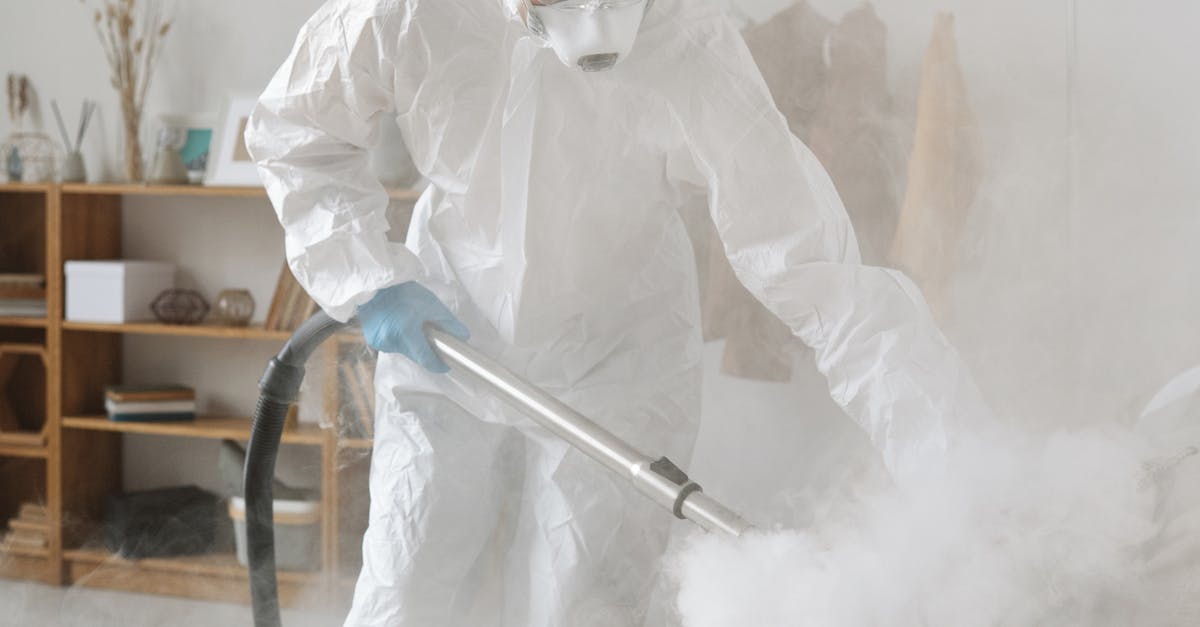
When removing mould, always ensure to wear protective gear like gloves and masks to prevent exposure to spores. After cleaning, it is important to dry the affected areas thoroughly and consider applying a mould-resistant sealant to prevent future growth. Regular inspection of damp areas such as basements, bathrooms, and around windows can help catch mould issues early. Maintaining a clean and dry environment significantly contributes to reducing mould risks in living spaces.
Effective Techniques for Mould Removal
When addressing mould issues, proper preparation is essential. Before commencing any removal, ensure safety by wearing protective gear such as gloves, masks, and goggles. Make sure to ventilate the area well to reduce inhalation of spores. For small patches, a solution of water and detergent can effectively remove mould. Scrubbing the affected surfaces with this mixture can eliminate visible growth while ensuring the area is thoroughly cleaned afterward with clear water.
For larger infestations, stronger options like commercial mould removers may be necessary. These products often contain fungicides designed to tackle persistent mould. After applying these treatments, it is crucial to allow sufficient time for the chemicals to penetrate and kill the spores. Once the mould is gone, drying the area completely will help prevent regrowth. Regular inspections and maintenance of the environment can further deter future mould issues.
FAQS
What are the immediate symptoms of mould exposure?
Immediate symptoms of mould exposure can include coughing, sneezing, nasal congestion, throat irritation, and eye irritation. Some individuals may also experience skin rashes.
How can I protect my health if I suspect mould exposure?
To protect your health, it is important to limit your exposure by ventilating the area, wearing a mask, and avoiding direct contact with mould. If symptoms persist, seek medical advice.
What long-term health effects can arise from mould exposure?
Long-term exposure to mould can lead to chronic respiratory conditions such as asthma, allergic rhinitis, and hypersensitivity pneumonitis. It may also exacerbate existing health issues.
Are there specific chronic conditions linked to respiratory symptoms from mould?
Yes, conditions such as asthma, chronic obstructive pulmonary disease (COPD), and severe allergies have been linked to prolonged exposure to mould, particularly in sensitive individuals.
What are the effective techniques for mould removal?
Effective mould removal techniques include identifying and addressing the source of moisture, using appropriate cleaning agents, and employing methods like scrubbing surfaces and using dehumidifiers to prevent future growth.
Related Links
Common Skin Reactions Associated with Mould ContactSigns of Mould Exposure: Differentiating from Other Allergens
How Mould Exposure Aggravates Existing Health Conditions
Symptoms of Mould Exposure in Children: What to Look For
Cognitive Effects of Mould Exposure: Memory and Concentration Issues