Common Skin Reactions Associated with Mould Contact
Table Of Contents
Treatment Options for Skin Reactions from Mould
Skin reactions caused by mould exposure often necessitate specific treatment strategies. Mild cases may respond well to over-the-counter antihistamines and topical corticosteroids, providing relief from itching and inflammation. For more severe reactions, healthcare professionals might prescribe stronger medications tailored to the individual's symptoms and medical history. It's essential for individuals experiencing persistent or worsening symptoms to consult a medical professional for appropriate guidance.
In addition to pharmacological treatments, home remedies can serve as adjuncts to manage discomfort. Applying cool compresses to affected areas may alleviate irritation and swelling. Additionally, moisturising creams can help restore the skin barrier, especially if dryness or flaking is present. Maintaining proper hygiene is also crucial in reducing the risk of secondary infections, which may arise from scratching or irritating the skin.
Topical Treatments and Medications
When dealing with skin reactions caused by mould exposure, various topical treatments and medications can offer relief. Over-the-counter hydrocortisone creams can reduce inflammation and itching associated with mild reactions. Antihistamine creams may also aid in minimising discomfort, especially if the reaction is allergy-related. For more severe cases, a healthcare professional might prescribe a stronger corticosteroid cream to help manage symptoms effectively.
In addition to creams, moisturisers can play a crucial role in the recovery process. Keeping the affected area moisturised can assist in healing and soothe irritated skin. It is essential to avoid products with potential irritants, including fragrances and harsh chemicals, which could exacerbate the reaction. Consulting a healthcare provider for personalised recommendations ensures appropriate treatment tailored to specific skin issues related to mould exposure.
Preventing Skin Reactions Linked to Mould
Preventing skin reactions caused by mould requires a multi-faceted approach. Maintaining a clean and dry environment is essential. Regularly cleaning surfaces in areas prone to moisture, such as bathrooms and kitchens, can help eliminate mould growth. Keeping humidity levels below 50% is vital in reducing mould spores in the air. Using dehumidifiers or air conditioners can aid in achieving this, especially in humid climates.
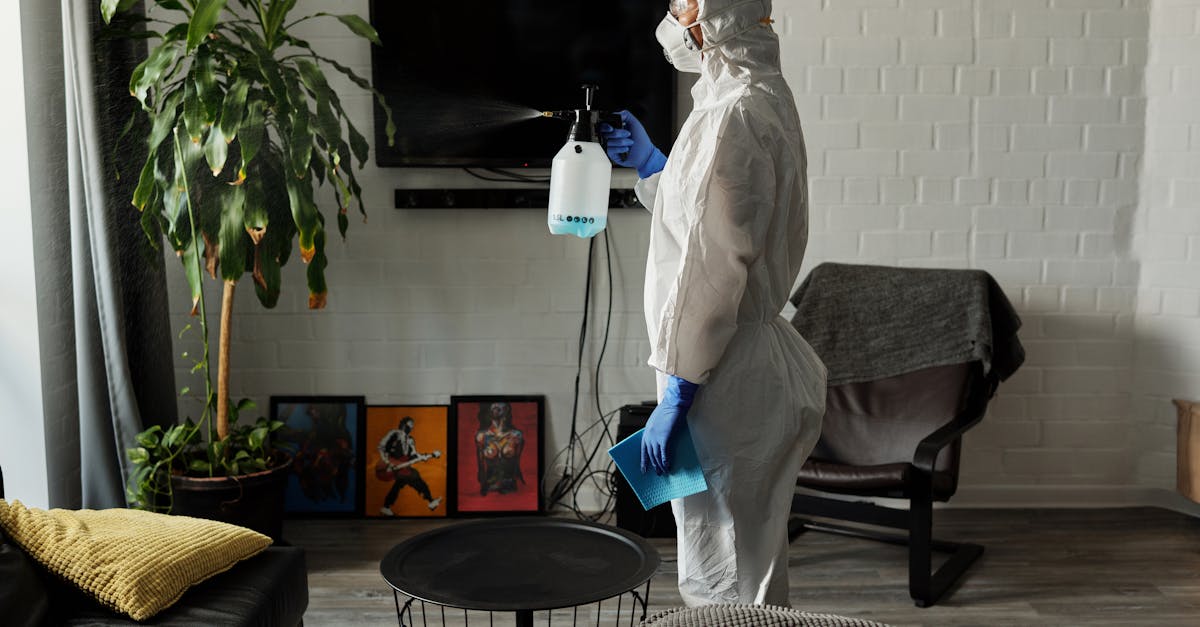
Additionally, wearing protective clothing when cleaning or working in mould-affected areas can offer an extra layer of defence. Long sleeved shirts, gloves, and masks can minimise skin contact and respiratory exposure. Regular inspections around the home for any signs of dampness or leaks can help identify potential mould problems early. This proactive approach can significantly reduce the risk of skin reactions associated with mould exposure.
Best Practices for Reducing Mould Exposure
Maintaining low humidity levels within the home is essential for reducing mould growth. Keeping indoor humidity below 50% can be achieved through the use of dehumidifiers, especially in damp areas like bathrooms and kitchens. Regularly ventilating spaces that accumulate moisture helps prevent stagnant air, which contributes to mould development. Ensuring that exhaust fans are functional and used during activities that produce moisture, such as cooking and showering, is vital.
Regular cleaning of surfaces is another effective strategy for minimising mould exposure. Utilising cleaning solutions with mould inhibitors can prevent spores from taking hold in susceptible areas. Items that absorb moisture, such as carpets and soft furnishings, should be regularly cleaned or replaced if mould persists. Quick action is necessary when spills or leaks occur to avoid prolonged moisture which encourages mould proliferation.
Keeping Your Environment Mould-Free
A clean and well-ventilated environment plays a crucial role in preventing mould growth. Regularly inspecting areas prone to moisture, such as bathrooms and kitchens, can help identify early signs of mould. Ensuring that air circulates freely around spaces aids in reducing humidity levels. Using dehumidifiers can further minimise moisture, especially in basements and laundry rooms where humidity tends to accumulate.
Routine cleaning with appropriate mould-inhibiting solutions is essential for maintaining a mould-free environment. Pay special attention to carpets, curtains, and upholstery as they can harbour allergens. In addition to this, employing natural remedies, such as vinegar, in your cleaning regimen can effectively combat mould spores. Taking proactive measures to fix leaks and ensure proper drainage will also assist in keeping your space dry and safe from mould-related issues.
Effective Cleaning and Maintenance Tips
Regular cleaning is essential in preventing mould growth within living spaces. Use a mixture of water and detergent to wipe down surfaces that are prone to moisture, such as bathrooms and kitchens. Ensure that you dry surfaces thoroughly after cleaning, as dampness can encourage mould to thrive. Check hidden areas like behind appliances and under sinks, as these spots can often be overlooked but may harbour mould.
In addition to routine cleaning, maintaining consistent ventilation throughout your home can significantly reduce mould risk. Open windows when weather permits to allow air to circulate. Use exhaust fans in areas prone to humidity, such as bathrooms and laundry rooms, to help air moisture escape. Regularly inspect and clean gutters and downspouts to guarantee they are not blocked, thus reducing water accumulation around the home that could lead to mould issues.
FAQS
What are the common skin reactions caused by mould exposure?
Common skin reactions can include rashes, hives, and dermatitis, which may result in redness, itching, and swelling.
How can I treat skin reactions caused by mould?
Treatment options include topical corticosteroids to reduce inflammation, antihistamines to relieve itching, and moisturisers to soothe the skin. It’s best to consult a healthcare professional for personalised recommendations.
What are some best practices to prevent skin reactions linked to mould?
To prevent skin reactions, minimise exposure to mould by ensuring proper ventilation, using dehumidifiers, and promptly addressing any water leaks or damp areas in your home.
How can I keep my environment mould-free?
Effective cleaning and maintenance tips include regularly cleaning surfaces with mould-inhibiting solutions, ensuring good airflow in damp areas, and using air purifiers to reduce mould spores in the air.
When should I seek medical attention for skin reactions from mould?
If skin reactions are severe, persistent, or accompanied by other symptoms such as fever or difficulty breathing, seek medical attention promptly for further evaluation and treatment.
Related Links
Identifying Neurological Symptoms Linked to Mould ExposureUnderstanding Respiratory Symptoms Triggered by Mould Exposure
Signs of Mould Exposure: Differentiating from Other Allergens
How Mould Exposure Aggravates Existing Health Conditions
Symptoms of Mould Exposure in Children: What to Look For
Cognitive Effects of Mould Exposure: Memory and Concentration Issues
Recognising Symptoms of Mould-Induced Allergies