The Relationship Between Mould Exposure and Depression Rates
Table Of Contents
Mechanisms Behind Mould-Induced Depression
Mould exposure has been linked to various health issues, including mental health disorders. One pathway involves the production of mycotoxins by certain mould species, which can impact neurological function. These toxic compounds may disrupt neurotransmitter balance, potentially leading to symptoms such as depression and anxiety. In addition, individuals with mould allergies may experience heightened inflammatory responses. Chronic inflammation in the brain can contribute to mood dysregulation and cognitive impairments.
Psychological factors also play a crucial role in mould-related depression. Living in an environment affected by mould can evoke stress and anxiety, impacting overall well-being. People may feel helpless or overwhelmed by the presence of mould in their homes, resulting in feelings of isolation, frustration, or despair. This emotional response can compound the physiological effects of mould exposure, creating a cycle that exacerbates mental health challenges. Understanding these mechanisms is essential for addressing both the physical and psychological toll of mould on individuals.
Understanding the Biological and Psychological Pathways
Mould exposure has been linked to various health issues, including mental health disorders such as depression. Biological mechanisms play a significant role in this relationship. Mould spores can trigger allergic reactions and respiratory issues, leading to chronic inflammation in the body. This inflammation may interfere with neurotransmitter function and disrupt the balance of chemicals that regulate mood, such as serotonin and dopamine. Additionally, certain mycotoxins produced by mould can directly impact neurological function, contributing to cognitive deficits and mood disturbances.
Psychologically, the presence of mould in living environments may impact mental well-being. Individuals exposed to mould often experience significant stress due to health-related concerns, stigma associated with mould-infested homes, and the financial burden of remediation. These stressors can exacerbate feelings of anxiety or depression. Furthermore, constant exposure to an environment that feels unsafe or unhealthy can create a sense of helplessness, leading to a decline in overall mental health. Understanding these intertwined biological and psychological factors is crucial for addressing both mould exposure and its potential mental health implications.
Preventing Mould Growth in the Home
Mould thrives in damp environments, making moisture control essential for prevention. Regularly checking for any signs of leaks in roofs, walls, and plumbing fixtures can help mitigate the risk of mould development. Maintaining proper humidity levels within the home is also crucial. Using dehumidifiers and ensuring good ventilation, especially in areas like bathrooms and kitchens, can significantly reduce moisture accumulation.
Cleaning and maintaining household spaces can further deter mould growth. Regularly dusting and vacuuming will help remove spores that may settle in corners and on surfaces. In areas prone to moisture, such as behind appliances or under sinks, it’s beneficial to use mould-resistant products. Furthermore, making a habit of using natural cleaning solutions can help keep surfaces clear of mould without introducing harmful chemicals into the living environment.
Best Practices for Mould Prevention
Ensuring a mould-free environment begins with maintaining optimal humidity levels inside the home. Keeping indoor humidity below 50% can significantly reduce the potential for mould growth. Using dehumidifiers in damp areas, such as basements and bathrooms, can help to manage moisture levels effectively. Regularly checking for leaks in roofs, plumbing, and around windows can also prevent water accumulation. Proper ventilation is essential; opening windows and using exhaust fans in kitchens and bathrooms allows damp air to escape.
Regular cleaning of high-moisture areas can further deter mould development. It is advisable to clean bathrooms with mould-resistant products and to wipe down surfaces that accumulate moisture. Investing in mould-resistant paints for walls and ceilings can provide an additional layer of protection. Additionally, ensuring that household items like carpets and upholstery are kept dry will contribute to a healthier indoor environment. Storing clothes in well-ventilated areas and avoiding excessive clutter can also lower the risk of mould growth.
Treatment Options for Mould Exposure
Addressing health issues related to mould exposure often begins with a thorough evaluation from a healthcare professional. They may recommend allergy testing or assessments for respiratory illnesses. Treatment may include medication to alleviate symptoms such as antihistamines for allergies or corticosteroids for inflammation. In more severe cases, particularly when depression is linked to mould exposure, healthcare providers might suggest antidepressants or referrals to mental health specialists.
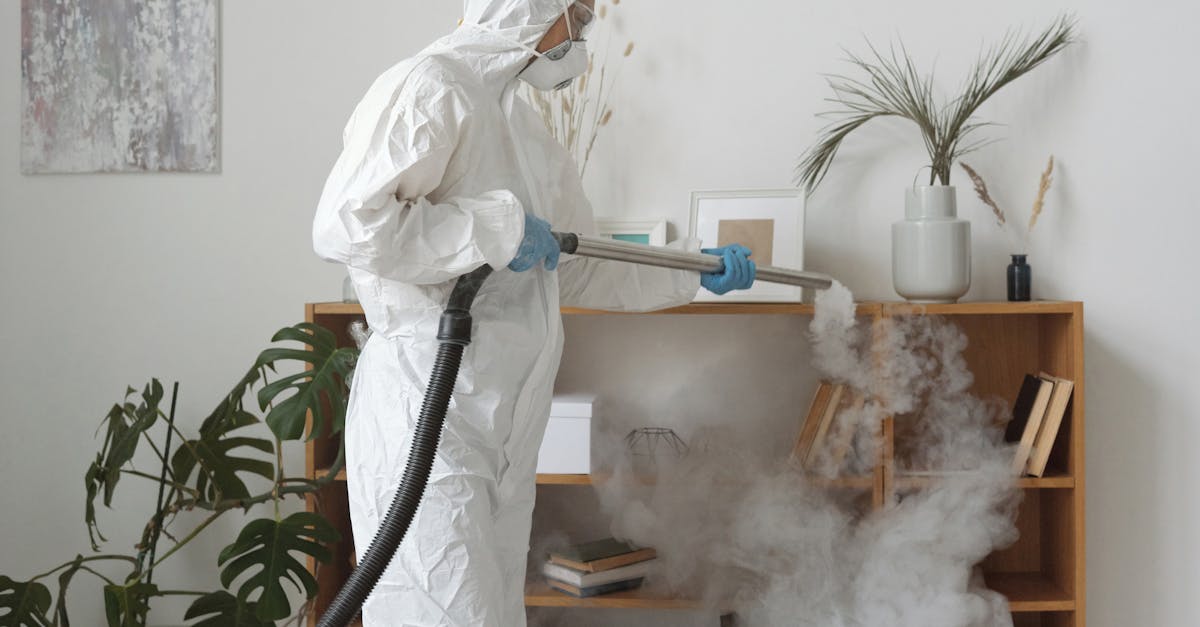
It is crucial to focus on environmental management alongside medical treatment. This might involve removing the source of mould, which can include remediation services to clean affected areas. Homeowners should also consider improving ventilation and controlling humidity levels, as these steps help to prevent mould's return. Consultation with professionals specialised in building health can provide additional strategies for maintaining a safe living environment while addressing the potential psychological impacts of mould exposure.
How to Address Health Issues Related to Mould
Experiencing health issues related to mould exposure requires immediate attention. Consulting a healthcare professional is essential for receiving an accurate diagnosis and appropriate treatment. Symptoms may range from respiratory problems to mental health struggles, highlighting the importance of a thorough assessment. It is often recommended to undergo various tests, including allergy tests or lung function assessments, to determine the extent of exposure and corresponding effects on health.
In addition to medical intervention, addressing the environmental factors contributing to mould growth is crucial. Eliminating moisture and improving ventilation in indoor spaces can significantly reduce mould presence. Consider implementing dehumidifiers in damp areas like basements and bathrooms. Regular cleaning of surfaces prone to mould and ensuring proper insulation can also play a vital role in maintaining a healthier living environment. These preventive measures, combined with medical treatment, help individuals avoid further health complications linked to mould exposure.
FAQS
What are the main mechanisms through which mould exposure can lead to depression?
Mould exposure can trigger biological responses such as inflammation and immune system activation, which may affect brain function and contribute to depression. Psychological factors like stress and anxiety from living in mould-infested environments can also play a significant role.
How can I tell if mould in my home is affecting my mental health?
Signs that mould may be affecting your mental health include persistent feelings of sadness, anxiety, or fatigue after spending time in areas with mould. Physical symptoms like respiratory issues, headaches, or allergic reactions may also coincide with mood changes.
What are the best practices for preventing mould growth in my home?
To prevent mould, keep indoor humidity levels below 60%, ensure proper ventilation in areas like kitchens and bathrooms, fix any leaks promptly, and regularly clean and dry surfaces that may collect moisture.
What treatment options are available for health issues related to mould exposure?
Treatment options can include removing yourself from the mouldy environment, consulting healthcare professionals for physical symptoms, and seeking psychological support if depression or anxiety develops. Environmental remediation may also be necessary to eliminate mould from your home.
Can mould exposure lead to long-term mental health issues?
Yes, prolonged exposure to mould can potentially lead to long-term mental health issues, particularly if it contributes to chronic stress, anxiety, or a depressed mood. Early intervention and addressing mould-related health concerns can help mitigate these risks.
Related Links
Strategies for Managing Mental Stress Related to Mould InfestationsUnderstanding the Link Between Mould and Anxiety Disorders
The Influence of Mould on Children’s Emotional Well-being
Assessing Mental Health Support for Mould-Affected Individuals
Community Mental Health Impacts of Widespread Mould Issues
Coping Mechanisms for Residents Facing Mould-Related Anxiety
Exploring the Connection Between Mould and Sleep Disturbances
Impact of Mould Toxicity on Cognitive Function in Adults
Psychological Effects of Mould Exposure on Families in Gold Coast