Exploring the Connection Between Mould and Sleep Disturbances
Table Of Contents
Identifying Mould in Your Living Space
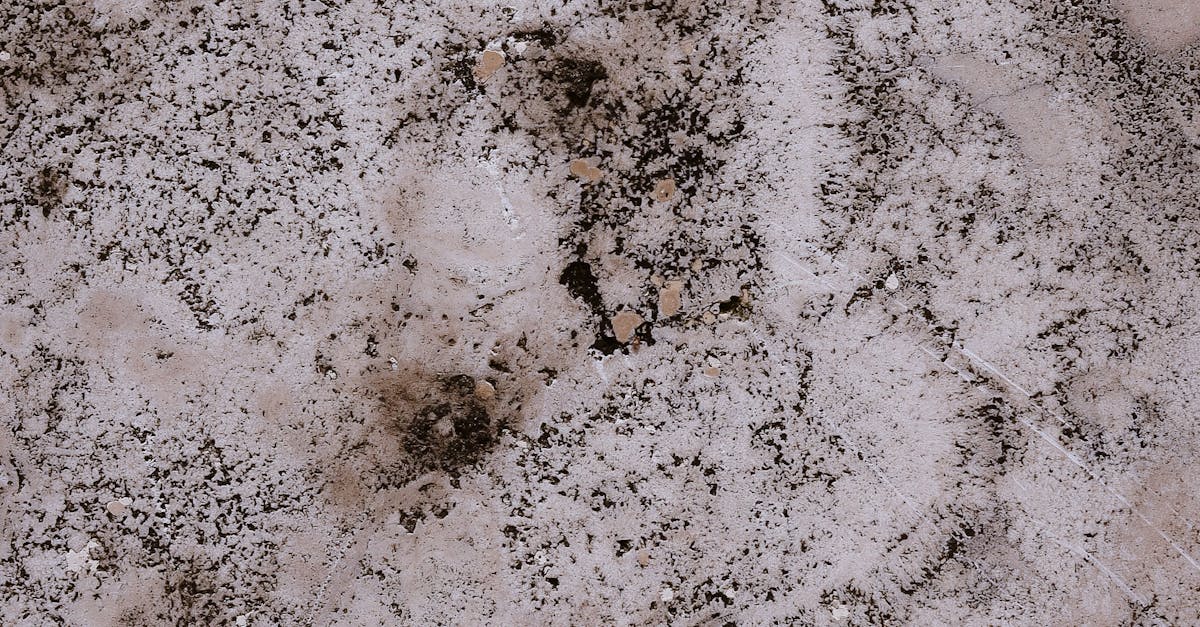
Mould often appears in places that are damp and poorly ventilated. Common areas include bathrooms, basements, and kitchens. Spotting mould can be as simple as noticing discolouration on walls or ceilings. Black, green, or white patches may signal an underlying moisture problem. A musty odour often accompanies visible mould, providing another clue for identification.
To identify mould effectively, one can conduct a thorough inspection of the home. Check behind furniture and appliances where moisture may accumulate. Hidden mould might thrive in places like behind wallpaper or under carpets. If symptoms such as respiratory issues or skin irritations arise, these may be signs of mould presence. Engaging a professional to assess the area could provide more certainty in identifying potential mould infestations.
Effective Techniques for Mould Detection
Detecting mould in your home is crucial for maintaining a healthy living environment. One reliable method involves visual inspection, focusing on areas prone to moisture such as bathrooms, kitchens, and basements. Look for discolouration, stains, or fuzzy growth on walls, ceilings, and along baseboards. Additionally, a musty odour can indicate hidden mould, even if it isn't immediately visible.
Another effective technique is to use moisture meters to measure humidity levels in various parts of the home. Ideal indoor humidity should be between 30% and 50%. If readings consistently exceed this range, it signals a potential mould risk. Professional mould testing kits are also available, allowing homeowners to collect samples for analysis. These kits can identify specific mould types and provide crucial data for further action.
Preventing Mould Growth in Homes
Mould thrives in environments with excess moisture and poor ventilation. Homeowners can take proactive measures to reduce humidity levels, such as using dehumidifiers in damp areas and ensuring that bathrooms and kitchens are well-ventilated. Regularly checking for leaks in plumbing and roofs can prevent water accumulation. Insulating pipes can also help avoid condensation, particularly in colder months when temperature fluctuations are common.
Another effective way to discourage mould growth is to maintain cleanliness in the home. Regular cleaning of surfaces, particularly in areas prone to moisture like bathrooms and kitchens, helps to eliminate potential spores before they have a chance to settle. It's essential to dry wet clothes and towels promptly, avoiding prolonged moisture in living spaces. Keeping indoor plants well-maintained and ensuring they don't create excess humidity can also contribute to a healthier environment.
Best Practices for Moisture Control
Maintaining optimal humidity levels is crucial for preventing mould growth in residential environments. Aim to keep indoor humidity between 30% and 50%. Utilise a hygrometer to measure humidity levels in various rooms. Employing exhaust fans in bathrooms and kitchens helps reduce moisture during and after activities that generate steam. Regularly opening windows allows for ventilation, promoting air circulation and decreasing humidity levels indoors.
Water leaks can contribute significantly to mould proliferation. Regular inspections for leaks in plumbing and roofs can prevent excess moisture accumulation. Any water intrusion should be addressed promptly. Consider using moisture barriers in basements and crawl spaces to reduce moisture from the ground. Proper insulation also plays a role in minimising condensation on cold surfaces. It’s important to regularly check and maintain household appliances that produce moisture, such as dryers and humidifiers.
Effective Mould Removal Strategies
Removing mould effectively requires a systematic approach. First, it is vital to ensure the affected area is isolated to prevent spores from spreading to other parts of the home. Use plastic sheeting to contain the area and wear protective gear such as gloves and masks to safeguard against inhalation of spores or skin contact. Depending on the extent of the mould, homeowners can use store-bought solutions or create their own mixtures, such as vinegar or a bleach solution, to treat the affected surfaces.
After applying the cleaning solution, scrub the area thoroughly and then rinse with water to remove any residue. Ensure the area is well-ventilated during and after the cleaning process to aid in drying. For persistent mould growth, professional remediation services may be necessary, particularly in severe cases or within hidden spaces like walls and ducts. Regular monitoring and maintenance of the home can prevent future infestations and maintain a healthy living environment.
Safe Cleaning Methods for Homeowners
Homeowners can use several safe methods to effectively clean mould without causing harm to themselves or their environment. One effective approach involves using mild cleaning agents, such as a solution of vinegar and water. This natural method can help inhibit mould growth while also being safe for various surfaces. Additionally, wearing protective gear like gloves and masks is essential to avoid inhaling spores or coming into direct contact with mould.
For larger infestations, professional services may be necessary to ensure thorough removal. Homeowners should always ventilate the area during the cleaning process. Proper ventilation reduces moisture in the environment and helps minimise the spread of spores. Regular inspection and maintenance of suspected damp areas can also prevent future mould growth and ensure a healthier living space.
FAQS
How does mould affect sleep quality?
Mould can release allergens and irritants into the air, which may cause respiratory issues, allergies, and sleep disturbances, making it difficult for individuals to achieve restful sleep.
What are common signs of mould in my home?
Common signs of mould include a musty smell, visible growth on surfaces such as walls and ceilings, and water stains. You may also notice increased allergy symptoms in occupants.
How can I prevent mould growth in my home?
To prevent mould growth, ensure proper ventilation, control indoor humidity levels, fix any leaks promptly, and keep areas prone to moisture dry, especially bathrooms and kitchens.
What are safe methods for removing mould?
Safe mould removal methods include using a mixture of water and detergent, vinegar, or specialised mould removal products. Always wear protective gear like gloves and masks while cleaning.
When should I consider hiring a professional for mould removal?
Consider hiring a professional if the mould covers a large area (more than a square metre), if you have health concerns, or if mould persists despite your cleaning efforts.
Related Links
Coping Mechanisms for Residents Facing Mould-Related AnxietyStrategies for Managing Mental Stress Related to Mould Infestations
The Influence of Mould on Children’s Emotional Well-being
Assessing Mental Health Support for Mould-Affected Individuals
Community Mental Health Impacts of Widespread Mould Issues
The Relationship Between Mould Exposure and Depression Rates
Understanding the Link Between Mould and Anxiety Disorders