The Role of Manual Scrubbing in Physical Mould Removal
Table Of Contents
Safety Precautions While Scrubbing
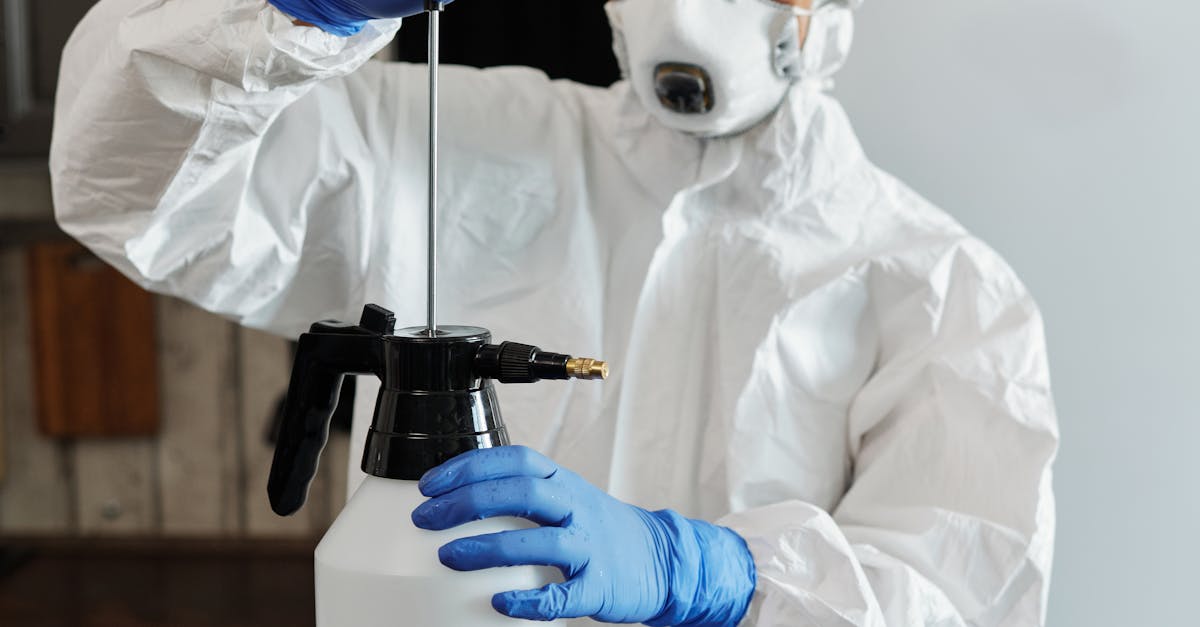
Manual scrubbing can expose individuals to mould spores and potentially harmful substances. It is essential to wear proper protective gear, including gloves, masks, and goggles. This equipment minimises the risk of direct skin contact and inhalation of spores. Selecting a high-quality respirator or mask specifically designed for mould removal can provide additional safety. It’s advisable to work in well-ventilated areas to facilitate the dispersal of spores and to reduce inhalation risks.
Before beginning the scrubbing process, ensure that the surrounding area is prepared to prevent the spread of mould. Cover nearby furniture and belongings with plastic sheets. Keeping the worksite clear can help minimise contamination and aid in the efficient removal of mould without creating further health hazards. Regularly taking breaks is also important, allowing individuals to step away from the contaminated area and reduce exposure.
Protective Gear and Equipment Recommendations
When preparing for manual mould removal, wearing the appropriate protective gear is essential to ensure safety and effectiveness. A high-quality respirator or face mask protects against inhaling mould spores. Suitable gloves, such as nitrile or rubber, prevent skin contact with mould and cleaning agents. Additionally, goggles are important for shielding the eyes from irritants that may arise during scrubbing.
Selecting the right equipment can significantly enhance the mould removal process. Soft-bristled brushes are ideal for delicate surfaces to avoid damage while effectively dislodging mould. For tougher surfaces, a stiff-bristled brush may be necessary to apply more pressure. Buckets for holding cleaning solutions and cloths for drying surfaces after scrubbing should also be included to complete the toolkit.
Environmental Considerations in Mould Removal
The impact of mould removal methods on the environment is increasingly important to consider. Many conventional cleaning products contain harsh chemicals that can release toxic fumes into the atmosphere. These substances not only pose risks to human health but can also harm local ecosystems when they wash away into drains and waterways. Opting for methods that minimise environmental harm is essential in promoting a healthier planet.
Transitioning to eco-friendly options helps reduce pollution and supports sustainable practices. Many biodegradable cleaning agents effectively combat mould without the adverse effects associated with chemical-based alternatives. These products are designed to break down naturally, ensuring that hazardous residues do not linger in the environment. By prioritising environmentally safe solutions, individuals and businesses can contribute to the preservation of natural resources while effectively addressing mould issues.
Eco-friendly Products for Manual Scrubbing
Utilising eco-friendly products for manual scrubbing not only helps protect the environment, but also provides effective mould removal without harmful chemicals. Options such as vinegar and baking soda are popular choices. Vinegar’s acidity works to break down mould while discouraging its growth, making it a natural disinfectant. Baking soda, on the other hand, acts as a gentle abrasive and deodoriser, perfect for tackling stubborn spots.
Many commercial cleaning products now offer biodegradable ingredients and packaging. These options ensure that the harmful effects on aquatic life and soil health are minimised during disposal. Using plant-based detergents and natural essential oils like tea tree or eucalyptus can further enhance effectiveness while providing a pleasant aroma. This approach allows individuals to maintain a clean, mould-free environment while staying committed to sustainability.
Comparing Manual Scrubbing to Other Mould Removal Methods
Manual scrubbing presents unique advantages when compared to other mould removal methods. It allows for direct and thorough removal of mould from affected surfaces without the use of harsh chemicals, making it a safer choice for indoor air quality. This hands-on approach enables users to inspect the surface conditions while scrubbing, ensuring that mould does not remain embedded in porous materials. Unlike methods such as chemical spraying, which may leave residues, manual scrubbing provides a more tactile way to ascertain the effectiveness of the removal process.
Other methods, such as using high-powered sprays or antifungal treatments, may effectively kill mould spores but often do not address the physical remnants clinging to surfaces. While these alternatives can be quicker and somewhat less labour-intensive, they may not offer the same level of satisfaction and assurance as a thorough manual clean. Furthermore, the potential for chemical exposure can pose health risks, particularly in enclosed spaces. The simplicity and effectiveness of manual scrubbing make it a viable option for those prioritising both safety and thoroughness in mould remediation.
Advantages of Manual Techniques
Manual techniques offer several benefits that can enhance the effectiveness of mould removal. The hands-on approach allows for precise targeting of affected areas, ensuring that all visible mould is thoroughly treated. Additionally, scrubbing by hand provides a level of control that is often lacking in more aggressive methods. This enables the user to gauge the surface condition while removing the mould, reducing the risk of damage to underlying materials.
Another advantage lies in the accessibility and affordability of manual methods. Without the need for specialised equipment or hazardous chemicals, individuals can approach mould removal in a straightforward manner. This simplicity makes it easier for homeowners to undertake the task themselves, fostering a greater sense of ownership over their living environment. Ultimately, the combination of direct engagement and cost-effectiveness makes manual scrubbing a practical option for tackling mould issues.
FAQS
What is manual scrubbing in mould removal?
Manual scrubbing involves using physical tools, such as brushes or sponges, along with cleaning agents to remove mould from surfaces. This hands-on approach allows for thorough cleaning, especially in hard-to-reach areas.
What safety precautions should I take while scrubbing mould?
It's important to wear protective gear such as gloves, goggles, and a mask to prevent inhalation of mould spores and contact with harmful cleaning agents. Ensure good ventilation in the area you are working in as well.
Are there eco-friendly products I can use for manual scrubbing?
Yes, there are several eco-friendly products available for mould removal, including vinegar, baking soda, and commercial mould removers that are biodegradable and free from harsh chemicals.
How does manual scrubbing compare to other mould removal methods?
Manual scrubbing is often more effective for small areas and allows for better control over the cleaning process. However, it can be more labour-intensive than other methods like chemical treatments or professional remediation services.
What are the advantages of using manual techniques for mould removal?
Manual techniques allow for precise removal of mould, reducing the risk of spreading spores. They also enable users to assess the extent of the mould problem more accurately and are generally more cost-effective for small jobs.
Related Links
Understanding the Benefits of Pressure Washing for Mould RemovalUsing Vacuum Extraction Techniques for Effective Mould Clearance
The Importance of Protective Gear in Physical Mould Removal
Assessing the Efficacy of Steam Cleaning in Mould Mitigation
Innovations in Physical Mould Removal Equipment and Tools
Implementing Sanding Techniques to Eliminate Surface Mould
Optimal Strategies for Ceiling and Wall Mould Removal
Safe Removal of Mouldy Materials through Controlled Demolition