The Role of HEPA Filtration in Effective Mould Remediation
Table Of Contents
The Role of HEPA Air Purifiers
HEPA air purifiers are essential tools in managing indoor air quality, particularly in environments affected by mould. These devices utilise High Efficiency Particulate Air technology to trap airborne particles, including mould spores, allergens, and dust. By filtering out these contaminants, HEPA purifiers contribute to a cleaner and healthier atmosphere. They are particularly beneficial during mould remediation projects, as they help minimise the spread of spores while cleaning and restoring affected areas.
Incorporating HEPA air purifiers into a mould-removal strategy ensures continuous air purification during the process. The use of these purifiers can significantly reduce the risk of mould spores being reintroduced into the environment after initial cleaning efforts. This not only aids in the immediate removal of mould but also plays a critical role in long-term mould prevention. Regular operation maintains optimal air quality, which is vital for both immediate and ongoing health considerations in indoor spaces.
Enhancing Indoor Air Quality
Indoor air quality significantly impacts overall health and wellbeing. Common pollutants can include dust, pollen, pet dander, and mould spores. HEPA air purifiers effectively capture these particles, reducing their concentration in indoor environments. This not only leads to cleaner air but also helps alleviate allergy symptoms and respiratory issues among occupants. Ensuring that the air circulating within living and working spaces is free of harmful contaminants is essential for maintaining a healthy atmosphere.
Incorporating HEPA filtration into indoor spaces offers numerous benefits beyond mere air purification. These systems can help reduce odours and enhance the freshness of the environment, making living areas more comfortable. Additionally, improved air quality can lead to increased productivity and better cognitive function, particularly in workplaces. As individuals breathe in cleaner air, they are likely to experience fewer health issues related to poor air quality, creating a more inviting and healthier indoor setting.
Implementing HEPA Filtration in Remediation Processes
The integration of HEPA filtration systems into mould remediation processes is essential for achieving effective results. Initial assessments of the affected area should be conducted to identify the extent of mould contamination. After this evaluation, the placement of HEPA air purifiers can begin. These purifiers work by capturing airborne spores and particulates, reducing their spread during the remediation efforts. Positioning purifiers strategically around the contaminated zones ensures optimal air circulation and purification throughout the space.
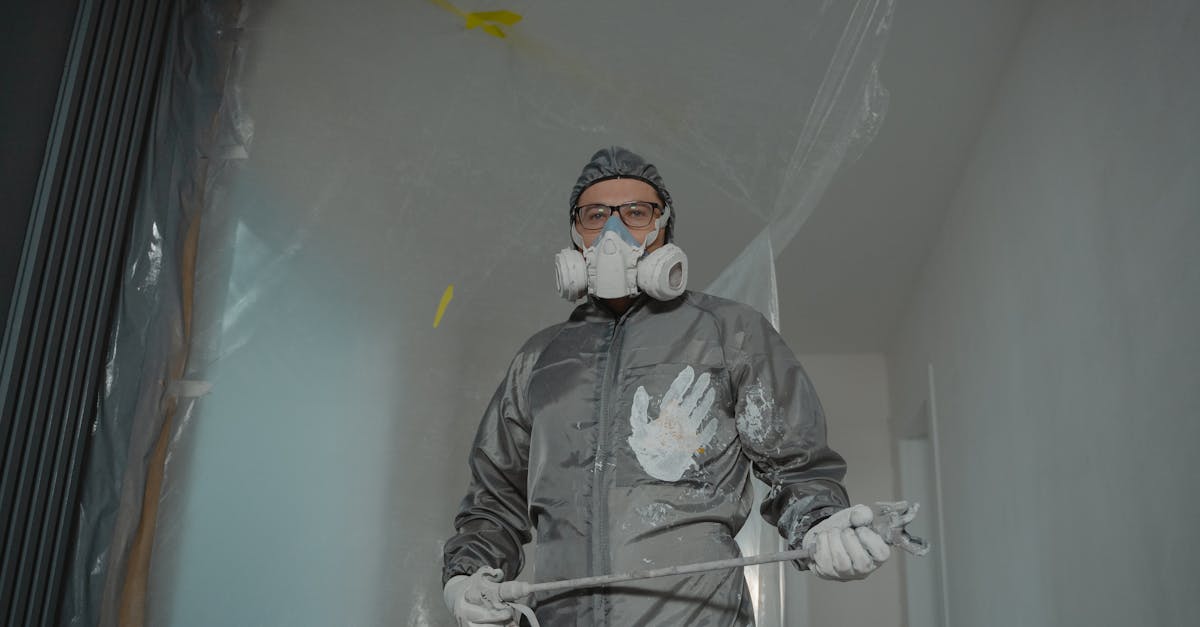
Following the initial setup, the remediation process can progress with necessary cleaning and removal activities. Utilising HEPA vacuum cleaners for surface cleaning helps to eliminate mould and spores present on various surfaces. Workers should wear appropriate protective gear to prevent exposure while also ensuring that the HEPA systems remain operational throughout the cleaning phase. Regular monitoring of air quality during and after the process is critical. This reinforces the effectiveness of the filtration systems and provides reassurance that the area is safe for reoccupation.
Step-by-Step Integration Methods
To successfully integrate HEPA filtration into mould remediation processes, start by assessing the affected areas. Identify the rooms or spaces with visible mould growth and evaluate the extent of contamination. Before commencing the remediation efforts, prepare the site by sealing off the affected zones. This includes using plastic sheeting to prevent spores from spreading to cleaner areas. Establish a negative air pressure environment if possible, as this helps contain airborne mould particles.
After securing the area, the next step involves selecting appropriate HEPA air purifiers to ensure maximum effectiveness. Position these units strategically throughout the remediation site, focusing on areas with the highest mould concentration. Regularly monitor their operation during the remediation process to guarantee optimal airflow and filtration efficiency. Once the initial mould removal and cleaning tasks are completed, continuing to run the purifiers for a designated period can further aid in capturing any residual spores before re-occupying the space.
Maintenance of HEPA Filtration Systems
Regular maintenance is essential for ensuring that HEPA filtration systems operate at their optimum capacity. This involves checking and replacing filters according to the manufacturer's guidelines, typically every six to twelve months, depending on usage and environmental conditions. Dust and debris accumulation can hinder airflow, making timely replacements crucial for effective mould removal. Additionally, thorough cleaning of pre-filters and any other components helps maintain system efficiency and prolongs the lifespan of the entire unit.
Monitoring the performance of the filtration system is equally important. Keeping an eye on air quality indicators and flow rates can provide insights into when servicing is required. A consistent inspection schedule allows for early identification of any potential issues, preventing costly repairs or inefficiencies down the line. Employing a professional servicing routine further enhances performance, ensuring that the HEPA system remains a reliable ally in tackling mould-related challenges.
Best Practices for Longevity and Efficiency
Regular maintenance is crucial for ensuring the longevity and efficiency of HEPA filtration systems. Users should establish a routine to inspect filters and replace them according to the manufacturer’s guidelines. Dust and allergens accumulate over time, reducing the system's effectiveness. Cleaning the pre-filters and ensuring proper airflow can significantly enhance performance, thereby improving air quality in the space.
Optimal placement of HEPA systems also plays a vital role in their functionality. Units should be positioned in areas with the highest concentration of pollutants to maximise their effectiveness. Avoid placing them in corners or obstructed areas where airflow is restricted. By ensuring that HEPA air purifiers are easily accessible, users can facilitate easier maintenance and monitor performance more effectively.
FAQS
What is HEPA filtration and how does it work?
HEPA (High-Efficiency Particulate Air) filtration is a type of air filtration that removes at least 99.97% of particles that are 0.3 microns in size from the air. It works by forcing air through a fine mesh of fibreglass fibres, effectively trapping airborne contaminants, including mould spores.
How can HEPA air purifiers enhance indoor air quality during mould remediation?
HEPA air purifiers improve indoor air quality by continuously filtering out mould spores, dust, and other allergens from the air. This helps to reduce exposure to these irritants, making it safer and more comfortable for occupants during the mould remediation process.
What are the key steps for implementing HEPA filtration in mould remediation processes?
Key steps include assessing the affected area, selecting appropriate HEPA equipment, establishing negative air pressure to prevent contamination spread, using HEPA vacuums for cleaning surfaces, and continuously monitoring air quality throughout the remediation process.
What best practices should be followed for maintaining HEPA filtration systems?
Best practices include regularly checking and replacing filters according to the manufacturer's recommendations, ensuring gaskets and seals are intact, cleaning the external surfaces of the unit, and performing routine inspections to ensure optimal performance.
Can HEPA filtration systems completely eliminate mould from indoor environments?
While HEPA filtration systems are highly effective at capturing mould spores and improving air quality, they do not remove mould from surfaces or eliminate the source of moisture and growth. Comprehensive mould remediation, including addressing moisture issues, is necessary for complete removal.
Related Links
Comparing HEPA Filters for Mould Removal in Residential PropertiesThe Impact of HEPA Filtration on Allergies Related to Mould
Understanding HEPA Filter Ratings for Mould Spore Capture
Common Mistakes in Using HEPA Filters for Mould Mitigation
Integration of HEPA Filters in Comprehensive Mould Management Plans