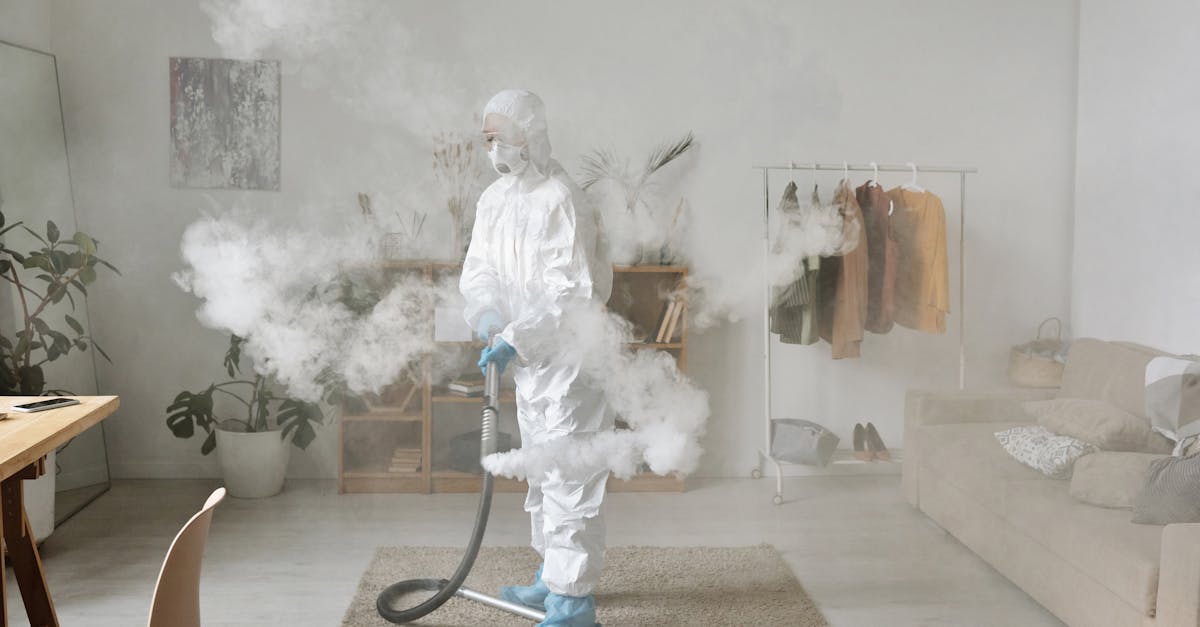
Innovative Technologies in Drying and Dehumidification for Mould Treatment
Table Of Contents
Integration of Smart Technologies in Drying Processes
The emergence of smart technologies has transformed traditional drying processes, enhancing efficiency and effectiveness in mould treatment. Advanced sensors and automated systems monitor environmental conditions, allowing adjustments in real-time to optimise drying. These smart systems can detect humidity levels and temperature variations, providing precise control that minimises the risk of mould regrowth. Integrating data analytics further enables predictive maintenance, ensuring that equipment operates at peak performance.
Additionally, the use of smartphone applications to control drying systems remotely is becoming increasingly popular. Users can manage and monitor drying processes from their devices, receiving alerts about changes in conditions that may impact mould treatment. This level of accessibility allows for timely interventions, fostering a proactive approach to mould prevention. As the technology evolves, the integration of smart systems continues to pave the way for more effective and user-friendly solutions in maintaining dry environments.
The Impact of IoT on Monitoring and Control
The integration of the Internet of Things (IoT) in drying processes has transformed how monitoring and control are approached. Sensors and smart devices can track humidity levels, temperature, and airflow in real-time, providing data that supports timely decision-making. This technology allows for immediate adjustments to drying parameters, enhancing efficiency and minimising energy consumption. Users receive alerts on their devices, ensuring that any deviations from optimal conditions are promptly addressed, ultimately improving outcomes in mould treatment.
This advanced monitoring capability leads to improved resource management. By harnessing predictive analytics, potential mould growth can be anticipated through historical data analysis and trends. This proactive approach enables facilities to address issues before they escalate into significant problems. The increased visibility afforded by IoT-driven tools promotes accountability and encourages regular maintenance, fostering a culture of care towards asset management and environmental stewardship in mould treatment.
Eco-Friendly Innovations in Dehumidification
Recent advancements in dehumidification technologies have focused on sustainability and energy efficiency. Devices that utilise renewable energy sources, like solar power, are becoming more popular as they reduce reliance on conventional power grids. These systems often incorporate advanced heat exchange mechanisms, allowing for lower energy consumption while maintaining optimal humidity levels in affected areas.
Moreover, dual-function units that combine dehumidifying with air purification are gaining traction. These units not only remove excess moisture but also improve indoor air quality by filtering out pollutants and allergens. Using eco-friendly refrigerants in these systems further supports a reduction in environmental impact, aligning with a growing demand for environmentally conscious solutions in mould treatment practices.
Sustainable Practices for Mould Prevention
A proactive approach to mould prevention often hinges on maintaining optimal humidity levels in indoor environments. Utilising energy-efficient dehumidifiers can significantly reduce moisture content in the air. These devices not only minimise the growth of mould spores but also enhance overall indoor air quality. Regular maintenance of ventilation systems plays a crucial role as well, ensuring adequate airflow and reducing stagnant humidity pockets.
Implementing sustainable materials in construction and renovation can further combat mould. bio-based insulation materials and moisture-resistant finishes contribute to healthier indoor spaces. Additionally, using natural ventilation strategies, such as strategically placed windows and vents, allows fresh air to circulate, effectively lowering humidity levels. This holistic approach emphasises not only immediate mould prevention but also long-term sustainability in building practices.
Case Studies
In recent years, several successful projects have showcased the effectiveness of innovative drying and dehumidification technologies in mould treatment. One notable example occurred in a heritage building in Melbourne, where advanced moisture control systems were implemented. By utilising a combination of IoT sensors and automated drying systems, the project team significantly reduced humidity levels, preventing mould formation. This approach not only preserved the integrity of the historic structure but also created a healthier environment for occupants.
A commercial facility in Sydney also benefitted from these modern techniques. Following a water damage incident, an integrated drying system was deployed, which included both active and passive dehumidification strategies. This comprehensive method helped achieve remarkable results in moisture removal while minimising energy consumption. The facility reported a rapid return to normal operating conditions, highlighting the potential of these innovative technologies in real-world applications.
Real-World Applications of Innovative Technologies
Innovative technologies for mould treatment have shown considerable effectiveness across various sectors. In residential settings, smart dehumidifiers equipped with IoT capabilities allow homeowners to manage humidity levels remotely. These devices provide real-time data and alerts on conditions conducive to mould growth, enabling proactive measures. In industrial applications, advanced drying systems utilizing heat recovery technology significantly enhance energy efficiency while maintaining optimal moisture levels in stored products.
The healthcare industry also benefits from these technologies. For hospitals and laboratories, maintaining a sterile environment is critical. Air purifiers integrated with sensor-driven technology can monitor air quality continuously and adjust operations based on detected humidity levels. Furthermore, commercial facilities implementing automated dehumidification systems have reported reduced energy consumption and improved indoor air quality, contributing to overall occupant health and safety.
FAQS
What are the benefits of using smart technologies in drying processes for mould treatment?
Smart technologies enhance efficiency by allowing real-time monitoring and control of drying conditions, which optimises energy usage and reduces the risk of mould regrowth.
How does the Internet of Things (IoT) contribute to mould treatment?
The IoT enables continuous data collection from sensors in drying systems, allowing for proactive adjustments and timely responses to moisture levels, thereby improving treatment outcomes.
What eco-friendly innovations are available in dehumidification?
Innovations include energy-efficient dehumidifiers that use advanced materials and technologies, such as heat exchangers and desiccants, to reduce energy consumption and environmental impact.
What sustainable practices can be implemented to prevent mould growth?
Sustainable practices include using natural ventilation, selecting low-VOC materials, maintaining optimal indoor humidity levels, and employing regular maintenance of heating and cooling systems.
Can you provide examples of successful mould treatment using innovative technologies?
Case studies demonstrate the effectiveness of advanced dehumidification systems and smart monitoring solutions, leading to reduced mould instances and improved indoor air quality in residential and commercial settings.
Related Links
The Impact of Climate on Drying Strategies in Mould RemediationEffective Drying Techniques for Mould Remediation in Coastal Homes
Combining Natural Ventilation with Dehumidifiers for Optimal Results
Understanding Humidity Control for Mould-Free Spaces
Evaluating Heat Treatment Options for Mould Moisture Removal