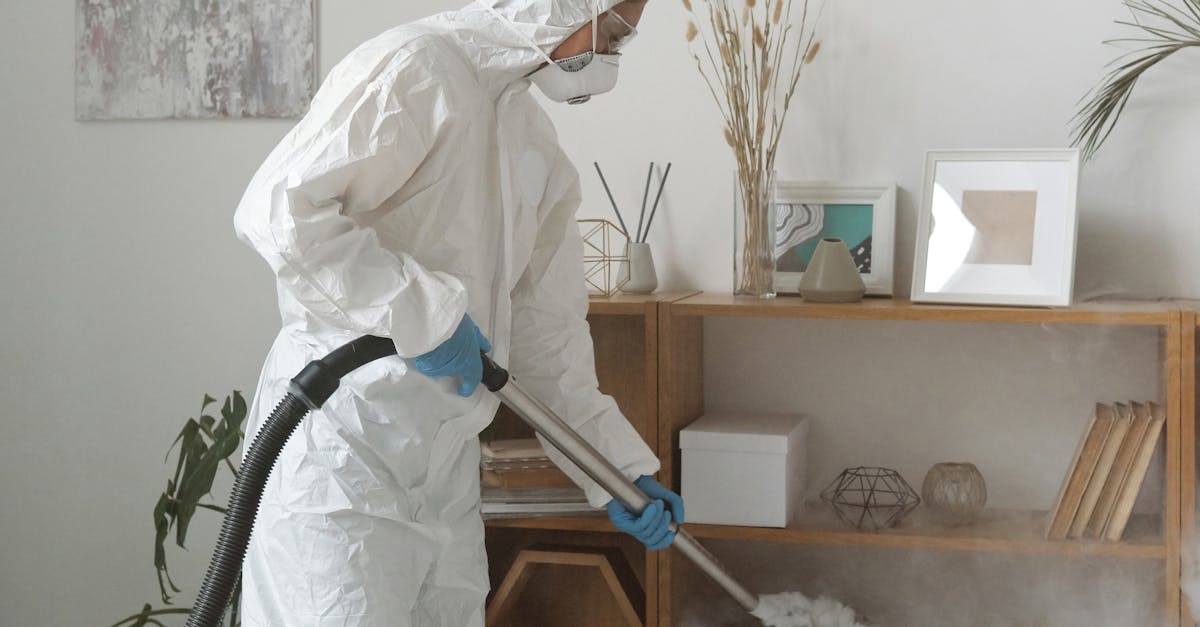
Innovative Mould-Resistant Wall Materials for Tropical Climates
Table Of Contents
Installation Considerations for Mould-Resistant Walls
Proper installation is crucial for optimising the effectiveness of mould-resistant wall materials in tropical climates. It is essential to ensure that the surface to which these materials are applied is clean and free from moisture before beginning the installation process. Any pre-existing mould or mildew should be treated appropriately to prevent recurrence. Additionally, adequate ventilation must be considered during installation to allow for proper air circulation. This attention to detail will ensure that the mould-resistant properties are maximised.
The choice of fasteners and adhesives also plays a significant role in the integrity of the installation. Selecting materials that are resistant to corrosion and degradation enhances the longevity of the wall system. It is advisable to follow manufacturer recommendations for installation guidelines and to account for local environmental conditions. Ensuring that joints and seams are well sealed can further mitigate the risk of moisture ingress, which is critical in maintaining the efficacy of mould-resistant solutions over time.
Best Practices for Optimal Performance
Proper installation techniques significantly enhance the performance of mould-resistant wall materials. Attention to detail during the installation process can prevent vulnerabilities that may lead to moisture infiltration. Adequate sealing of joints and ensuring a tight fit around windows and doors are critical steps. Additionally, employing an experienced contractor familiar with mould-resistant systems can make a substantial difference. It is essential to follow the manufacturer’s guidelines for installation, as these are tailored to maximise each product’s effectiveness.
Regular maintenance plays a vital role in sustaining the optimal performance of mould-resistant walls. Homeowners should conduct periodic inspections of their property to identify any signs of moisture or damage. Addressing minor issues promptly can prevent larger problems from developing. Keeping the surrounding environment, such as landscaping and drainage systems, well-maintained also contributes to the longevity of the materials. Implementing effective ventilation strategies within interior spaces can further minimise humidity levels, promoting a healthier living environment.
Cost Analysis of Mould-Resistant Wall Options
The initial investment in mould-resistant wall options often appears higher compared to traditional materials. However, it is essential to consider the longevity and durability these specialised products offer in tropical climates. Many mould-resistant materials are designed to withstand high humidity and heat, reducing the need for frequent replacements or repairs. This resilience can lead to significant savings over time, as homeowners and builders may not need to deal with ongoing mould issues that require remediation.
When evaluating the overall costs, long-term savings should be taken into account. Mould can cause structural damage and health issues, which may result in additional financial burdens. Investing in quality mould-resistant walls helps mitigate these risks, potentially lowering maintenance costs and improving property valuations. Energy efficiency can also be enhanced with these materials, providing further financial relief through reduced energy bills.
Long-term Savings vs. Initial Investment
Investing in mould-resistant wall materials often entails a higher initial outlay compared to traditional options. Many homeowners and builders may hesitate to make this financial commitment due to the upfront costs. However, these materials offer substantial long-term savings by significantly reducing maintenance and repair expenses associated with mould damage. Over time, the durability and resistance of these walls can lead to lower utility bills as they maintain better insulation performance.
The long-term benefits extend beyond mere cost savings. Health considerations also play a significant role, as mould-resistant materials can contribute to a healthier indoor environment by reducing the risk of respiratory issues linked to mould exposure. Ultimately, while the initial investment may be greater, the overall cost-effectiveness and wellbeing provided by these innovative materials create a compelling case for their use in tropical climates.
Environmental Impact of Mould-Resistant Materials
The selection of mould-resistant materials directly influences environmental sustainability. Many products incorporate recycled substances, significantly reducing raw material extraction and energy usage during production. Such practices align with global eco-friendly initiatives, as they minimise waste and promote circular economy principles. Additionally, the durability of mould-resistant materials often results in longer operational lifespans. This longevity reduces the frequency of replacement, further diminishing environmental strain over time.
While focusing on durability and performance, it is crucial to evaluate the life cycle of these materials. From production emissions to end-of-life disposal, understanding the full environmental impact is necessary for making informed choices. Manufacturers increasingly prioritise non-toxic additives and sustainable sourcing, leading to minimal off-gassing and improved indoor air quality. This shift not only meets regulatory standards but also caters to growing consumer demands for eco-sensitive building solutions.
Sustainability Practices in Manufacturing
As industries strive to meet the demand for environmentally friendly products, the manufacturing of mould-resistant wall materials has seen a shift towards sustainable practices. Manufacturers are increasingly sourcing raw materials that are low-impact and renewable, reducing their reliance on non-renewable resources. By adopting closed-loop systems, waste generated during production can be minimised or repurposed, resulting in less environmental harm. This not only conserves natural resources but also aligns with growing consumer expectations for eco-conscious building materials.
Energy efficiency is another crucial aspect of sustainable manufacturing. Many producers are transitioning to energy sources that have a lower carbon footprint, such as solar or wind power. Implementing energy-efficient machinery can further decrease energy consumption during the production process. Additionally, certification programmes for sustainability help manufacturers ensure compliance with environmental standards and encourage ongoing improvements in eco-friendly practices. These efforts contribute not only to reducing the ecological impact of production but also foster a market for greener building solutions.
FAQS
What are mould-resistant wall materials?
Mould-resistant wall materials are specially designed products that inhibit the growth of mould and mildew, making them ideal for use in humid and tropical climates where moisture levels are typically higher.
How do I install mould-resistant wall materials effectively?
For effective installation, ensure proper surface preparation, maintain adequate ventilation during the process, and follow the manufacturer’s guidelines for specific installation techniques to maximise the materials' performance.
What are the long-term savings associated with mould-resistant walls?
Long-term savings can come from reduced maintenance and repair costs, lower health-related expenses due to improved indoor air quality, and potentially lower energy costs from improved insulation properties.
Are mould-resistant wall materials environmentally friendly?
Many mould-resistant wall materials are produced using sustainable practices, such as using recycled materials or environmentally safe manufacturing processes, which can reduce their overall environmental impact.
How do I choose the right mould-resistant wall material for my home?
Consider factors such as climate conditions, budget, aesthetic preferences, and specific performance characteristics of the materials, including their resistance to moisture, durability, and ease of installation.
Related Links
Selecting Mould-Resistant Furniture for Indoor SpacesUnderstanding the Role of Mould-Resistant Sealants in Construction
Guidelines for Incorporating Mould-Resistant Building Practices
The Impact of Mould-Resistant Fabrics on Indoor Air Quality
Evaluating Mould-Resistant Insulation Materials for Humid Environments